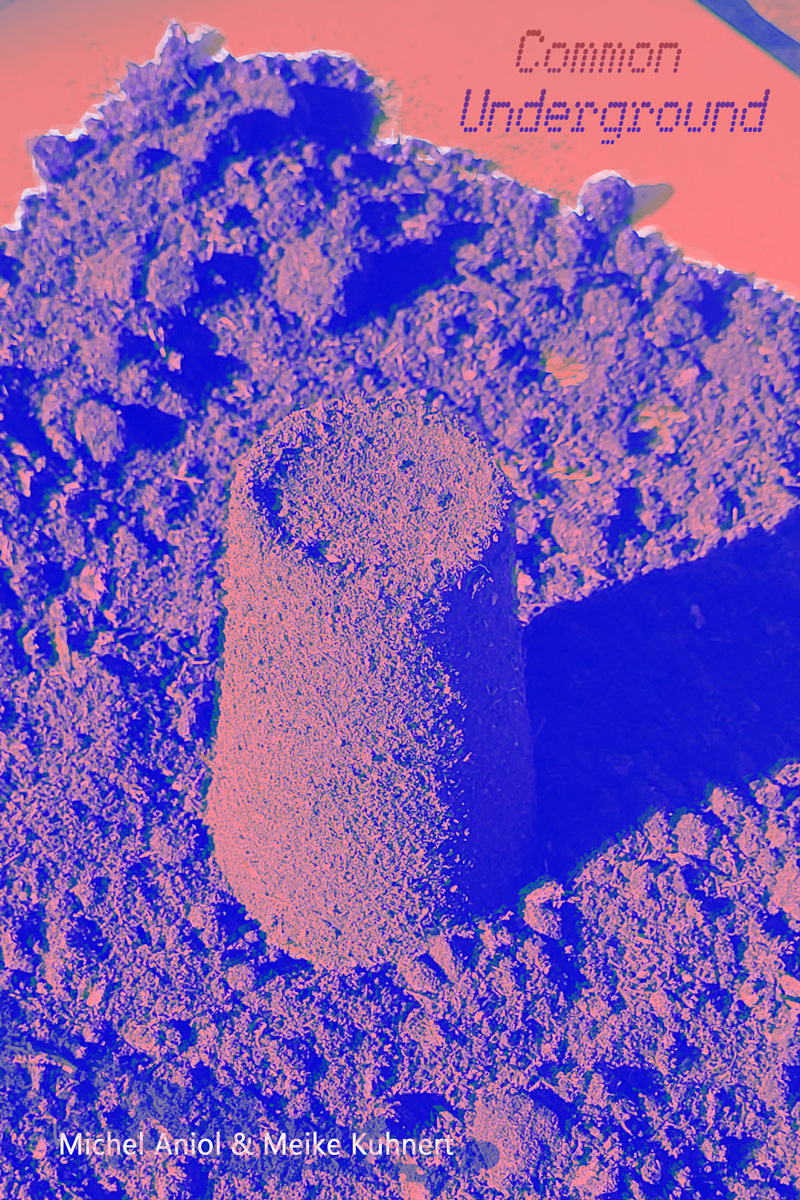
by
Michel Aniol & Meike Kuhnert
as part of
Schneeeule
What Does The Garden Tell?
Opening:
Saturday, 22.08.26, 3-8 pm
Location:
Community garden
@Kreativhaus - Stadtteilzentrum Berlin-Mitte
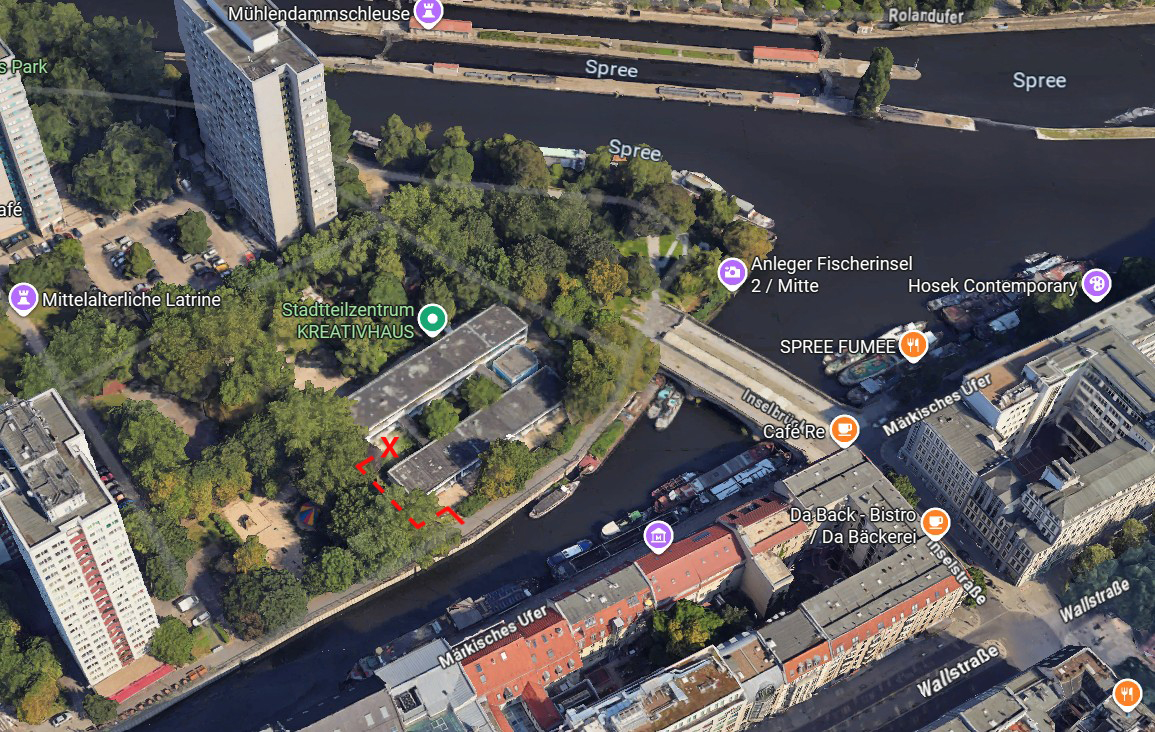
Fischerinsel 3
10179 Berlin
(Best access via the sidewalk on the canal)
www.s-c-h-n-e-e-e-u-l-e.de
www.michelaniol.com
www.meikekuhnert.com
Click here for exact location on maps
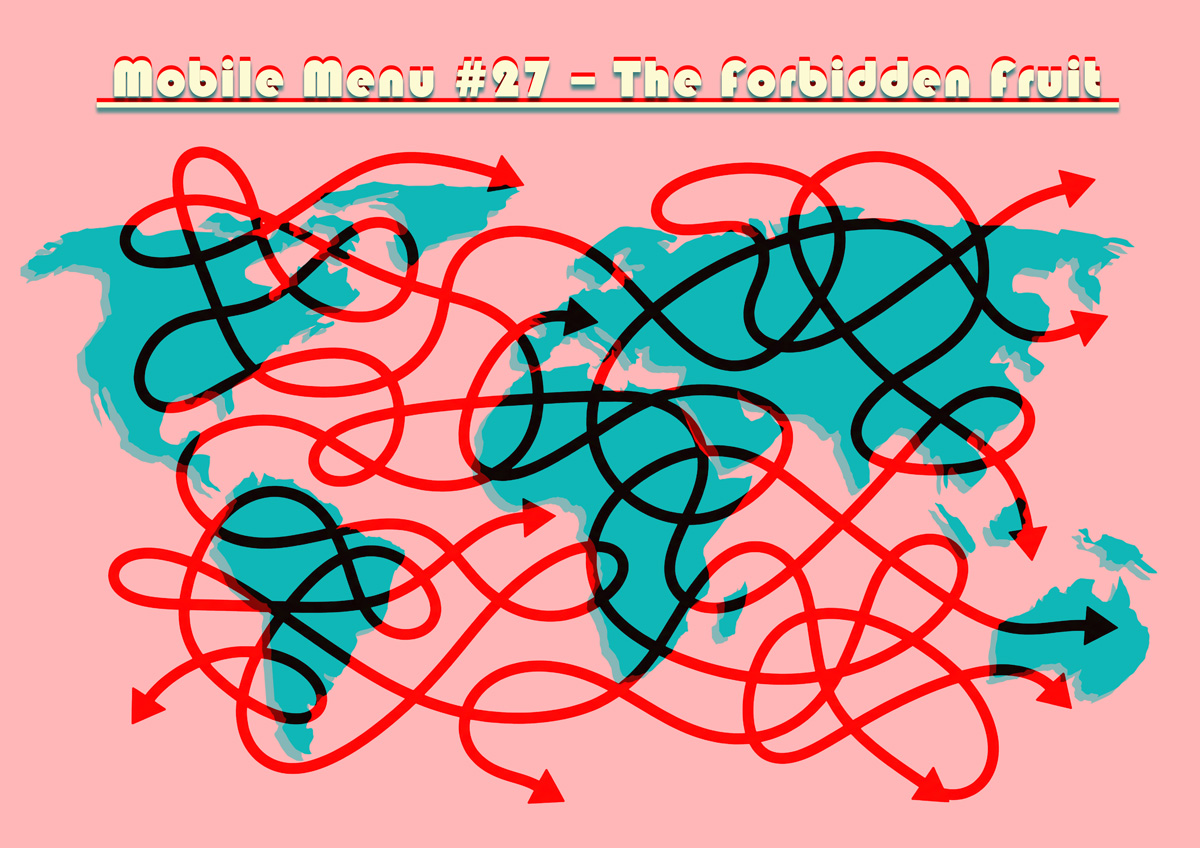
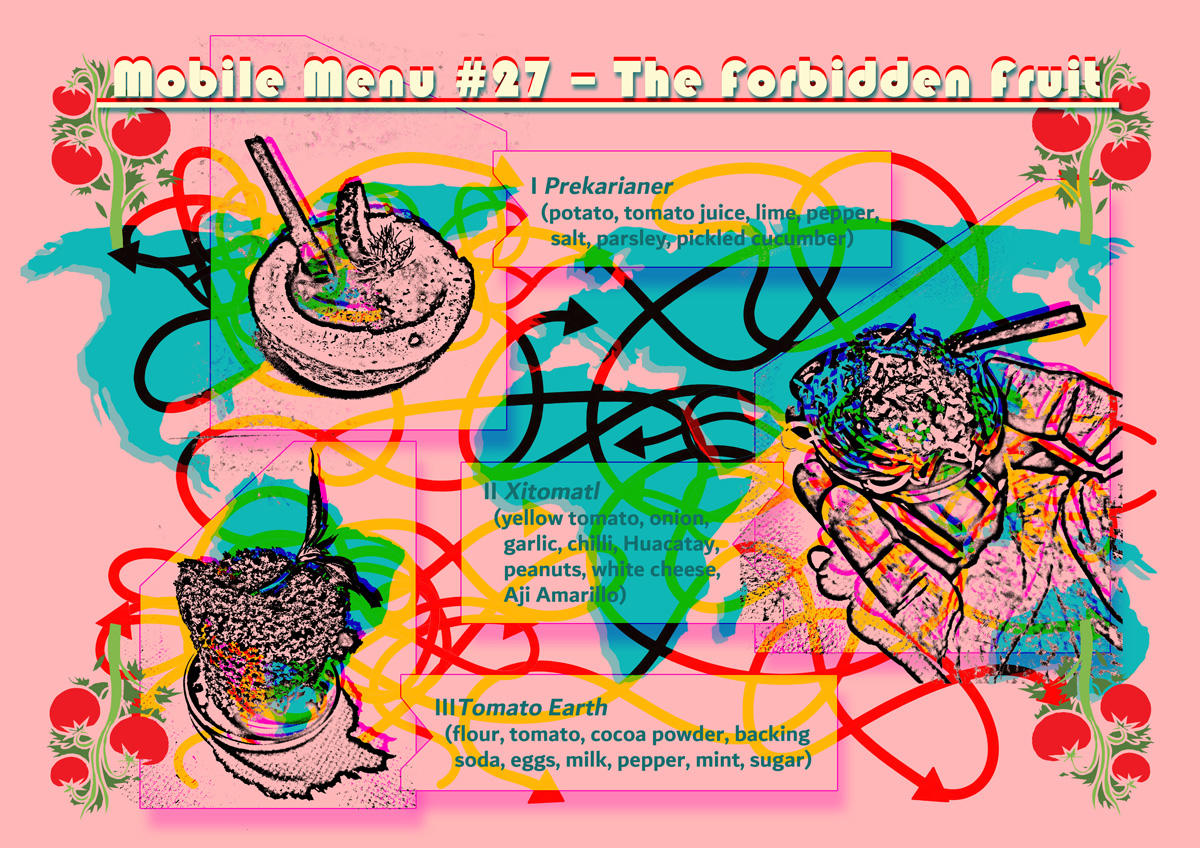
stay hungry will serve
Common Underground
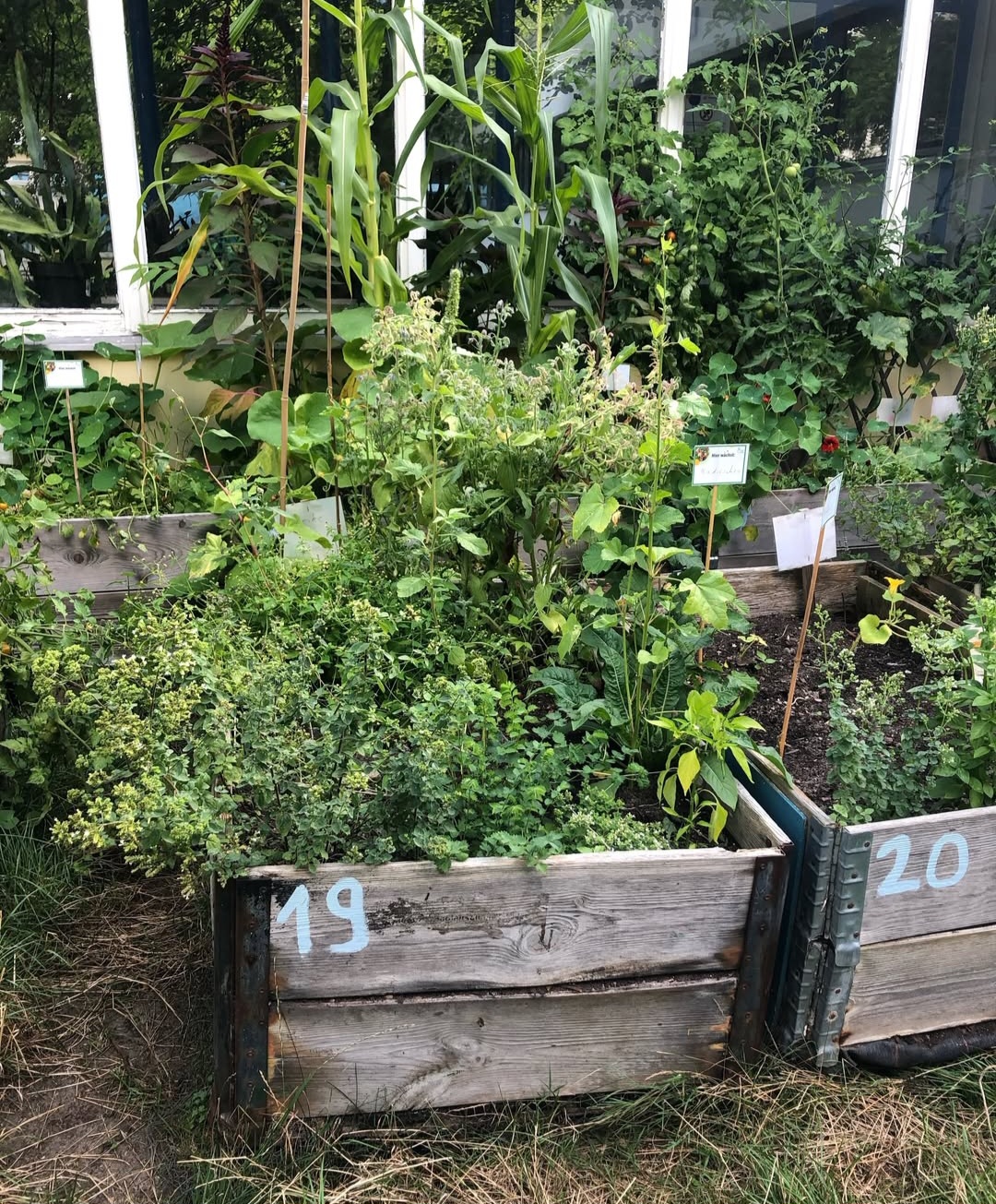
Common Underground brings together two site-specific works by Michel Aniol and Meike Kuhnert, who perceive the community garden of the Kreativhaus, neighborhood center for Berlin-Mitte, as a space for discovery and storytelling. The raised plant beds within the garden are not merely places for cultivation, but become a landscape in which diverse stories about nature, culture, and human activity unfold.
In City of Things Michel Aniol envisions a city in which architecture and nature do not appear as opposites, but as processes that merge into one another. The installation relates the order of the growing to the disorder of the built environment and opens up a space in which the two intertwine. From an elevated perspective, an urban landscape unfolds that is reminiscent of satellite images or digital maps as well as archaeological sites. The architectural forms appear both familiar and alien at the same time, like the remnants of a past civilization and, at the same time, like a model of a possible future. This temporal ambiguity opens up the idea of a different form of coexistence: a city that is not built in opposition to nature, but emerges from it and grows with it.
Meike Kuhnert’s Tomato Torrent focuses on the tomato as a cultural protagonist. Hardly any other plant embodies migration, appropriation, and the constant shift in meanings as much as the tomato does.
Its history connects continents, trade routes, colonial expansion, culinary traditions, and social notions. In the garden, this story unfolds as a diorama in which historical fragments, memories, and cultural attributions come together to form a multi-layered picture. History appears not as a linear sequence of events, but as a web of relationships that continues to influence the present.
Together, both works offer a perspective on the garden as a model of a world in which growth, reminiscence and creation are inextricably linked and form a shared space for reflection, where alternative conceptions of the past, present, and future come into view.
On the finissage on Sunday, 30th of August from 3-8 pm, Mobile Menu #27 – The Forbidden Fruit will be prepared within the installation in the community garden and offered for tasting, inviting visitors to come together for a culinary and horticultural exchange.
as part of Schneeeule:
What Stories Does The Garden Tell?
What Stories Does The Garden Tell?
Eine Ausstellung mit Werken von Elma Riza und stay hungry (Michel Aniol und Meike Kuhnert)
22. - 30. August
Die Ausstellung findet statt im Stadtteilzentrum KREATIVHAUS, Fischerinsel 3, 10179 Berlin
Samstag, 22.08., 15 – 20 Uhr: Eröffnung
Donnerstag, 27.08., 15 – 19 Uhr: Workshop
Wir färben Stoffe mit Pflanzenfarben und stellen die Farben gemeinsam her.
Dafür verwenden wir Malven, Zwiebelschalen, Rote Beete…Es werden Tischdecken für das Kreativhaus entstehen, die wir bei der Finissage benutzen werden. Wer möchte kann auch ein Kleidungsstück zum Einfärben von zu Hause mitbringen. Bei der Auswahl bitte auf einen hohen Anteil an Naturfasern achten.
Anmeldung bitte bis zum 24. August per Mail: mail@s-c-h-n-e-e-e-u-l-e.de (begrenzte Teilnehmer*innenzahl)
Sonntag, 30.08., 15 – 20 Uhr: Finissage und ein Mobile Menu von stay hungry
Das Kreativhaus ist ein Stadtteilzentrum auf der Fischerinsel in Berlin. Es ist ein lebendiger Ort mit Bildungs- und Beratungsangeboten, Sport- und Bewegungsgruppen und kreativen Möglichkeiten für die Nachbarschaft.
Im Rahmen der Ausstellung Was erzählt der Garten? werden die Beete, der Garten und die Innenräume des Kreativhauses bespielt.
Elma Riza zeigt Werke aus der Serie Paysages habités (Bewohnte Landschaften). Es handelt sich dabei um Siebdrucke, die auf Fragmenten von Landschaften bekannter Gemälde aus dem 19. und 20. Jahrhundert basieren. Elma Riza hat dafür Gemälde ausgewählt, die Teil unserer kollektiven Vorstellungswelt sind und die eine bestimmte Darstellung der Natur widerspiegeln. Aus diesen Gemälden hat die Künstlerin einzelne Elemente herausgegriffen, um sie zu abstrahieren oder in reduzierter Weise widerzugeben. Jedoch sind diese Elemente weiterhin als Berge, Baumsilhouetten, Horizontlinien und Wellen erkennbar. Unser Blick auf Landschaften ist immer von kulturellen Vorstellungen, unseren Aktivitäten und Erinnerungen geprägt.
Zudem bietet Elma Riza einen Workshop für Kinder an (nicht öffentlich). Die Teilnehmer*innen bewegen sich durch den Garten und machen sich auf die Suche nach Blumen und Pflanzen, die sie dann zeichnen. Anhand der Zeichnungen entstehen Fensterbilder im Glasgang des Kreativhauses.
Common Underground vereint zwei ortsspezifische Arbeiten der Betreiber*innen des nomadischen Projektraums stay hungry. Michel Aniol und Meike Kuhnert, die den Gemeinschaftsgarten des Stadtteilzentrums Kreativhaus als Raum des Entdeckens und Erzählens verstehen. Die sich darin befindenden Hochbeete sind dabei nicht nur Orte des Gärtnerns, sondern werden zu einer Landschaft, in der sich unterschiedliche Geschichten über Natur, Kultur und menschliches Handeln entfalten.
with friendly support by: